
Frequency Wave Analysis
Each product in our selection is represented by a unique frequency wave pattern. These visualizations reflect the sensory characteristics: sharp, jagged waves indicate crisp, acidic profiles, while smooth, deep curves represent rich, complex flavors.
High Frequency
Sharp, angular patterns represent bright, acidic profiles with pronounced citrus or mineral characteristics. These waves indicate products with high clarity and definition.
Medium Frequency
Balanced waveforms show harmonious profiles with integrated flavors. These patterns indicate products with moderate complexity and smooth transitions.
Low Frequency
Deep, flowing curves represent rich, full-bodied profiles with dense texture and lingering finish. These waves indicate substantial, complex products.
Interactive Wave Display
Select a frequency wave to view its corresponding data sheet with detailed sensory information.

Crisp Profile Wave
This waveform represents products with high acidity and bright, refreshing characteristics. The data sheet includes information about origin, production method, and recommended tasting notes.

Rich Profile Wave
This waveform indicates products with deep, complex flavors and substantial body. The data sheet provides details about aging, region characteristics, and flavor development.
Data Sheet Information
Each frequency wave corresponds to a detailed data sheet containing structured information about the product's sensory profile.
Origin Data
Geographic information, climate characteristics, and regional production methods that influence the flavor profile.

Sensory Metrics
Quantified measurements of acidity, sweetness, body, and texture presented in a structured format for comparison.
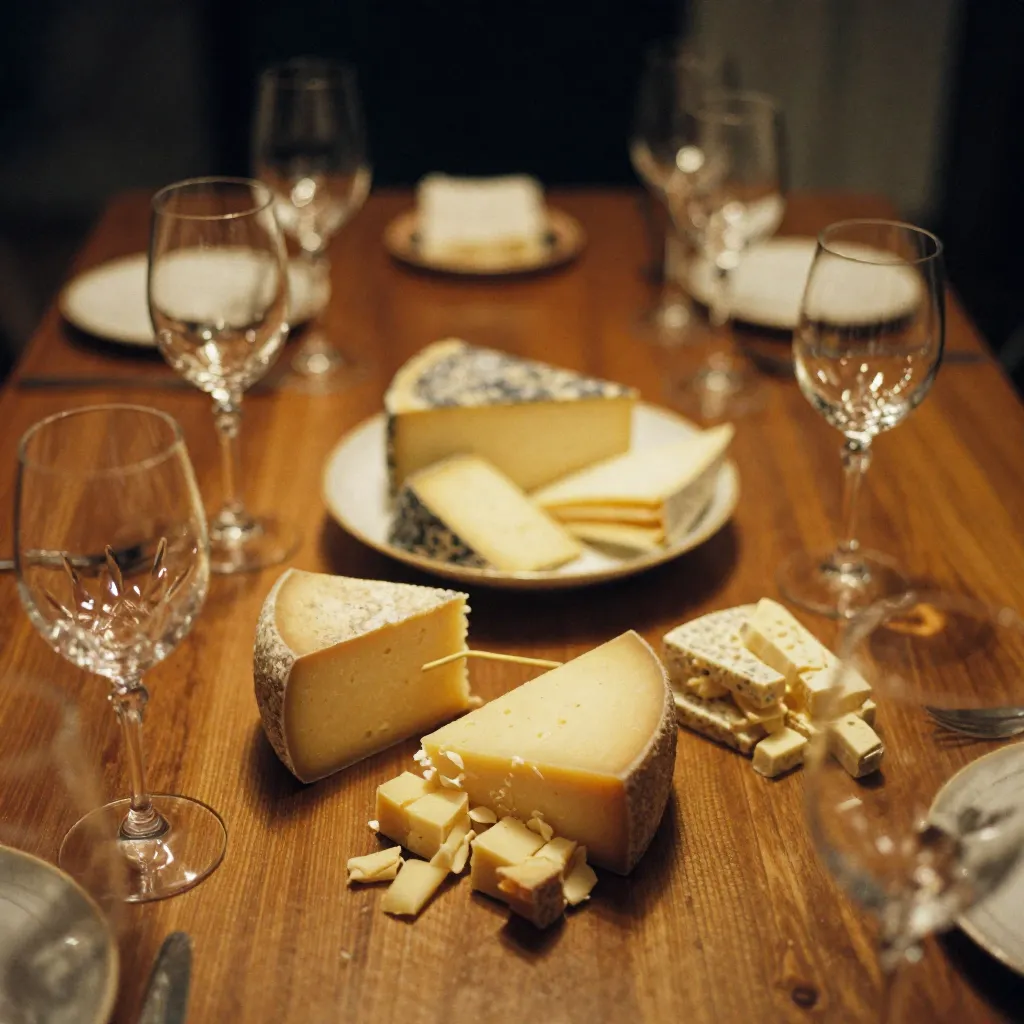
Tasting Notes
Detailed descriptions of aroma, flavor components, and texture characteristics observed during structured tastings.
Using the Spectrum
The frequency wave system helps participants understand relationships between different products and identify patterns in sensory characteristics.
Comparison Tool
Compare multiple frequency waves side by side to identify similarities and differences in sensory profiles. This visual approach supports learning and recognition.
Learning Resource
Use the spectrum as a reference during tasting sessions to understand how visual patterns correspond to actual sensory experiences.